
Aryamaan JAIN, PhD student at centre Inria d'Université Côte d'Azur, laureate of the 2026 DocWalker program
Interview
Meet Aryamaan JAIN, a 3rd year PhD student at Inria, in the GraphDeco group. He spent two months at Purdue University in West Lafayette, USA, as part of his doctoral mobility.
July 1, 2026What is your area of research ?
I am a 3rd year Computer Science PhD student. My research focuses on the generation and reconstruction of natural scenes, with a particular interest in terrains. This research area lies in computer graphics and spans to computer vision and artificial intelligence.
How did your international mobility project start?
My mobility project started from an existing collaboration with Professor Bedrich Benes, with whom we had already published two papers. For our next project, we wanted to extend our work on terrains towards trees, since they are a natural continuation of the type of scenes I work on.
Professor Benes' lab has strong expertise in this area, so Purdue University was a very relevant place to visit. The stay gave us the chance to work together more closely and discuss the project in person.
How did you prepare for your departure?
I started planning several months in advance, mainly because of the visa process. For a stay in the United States, it is important to leave enough time between the sponsorship request from the host institute and the appointment at the U.S. embassy in France. I would recommend allowing at least 2-3 months for this step.
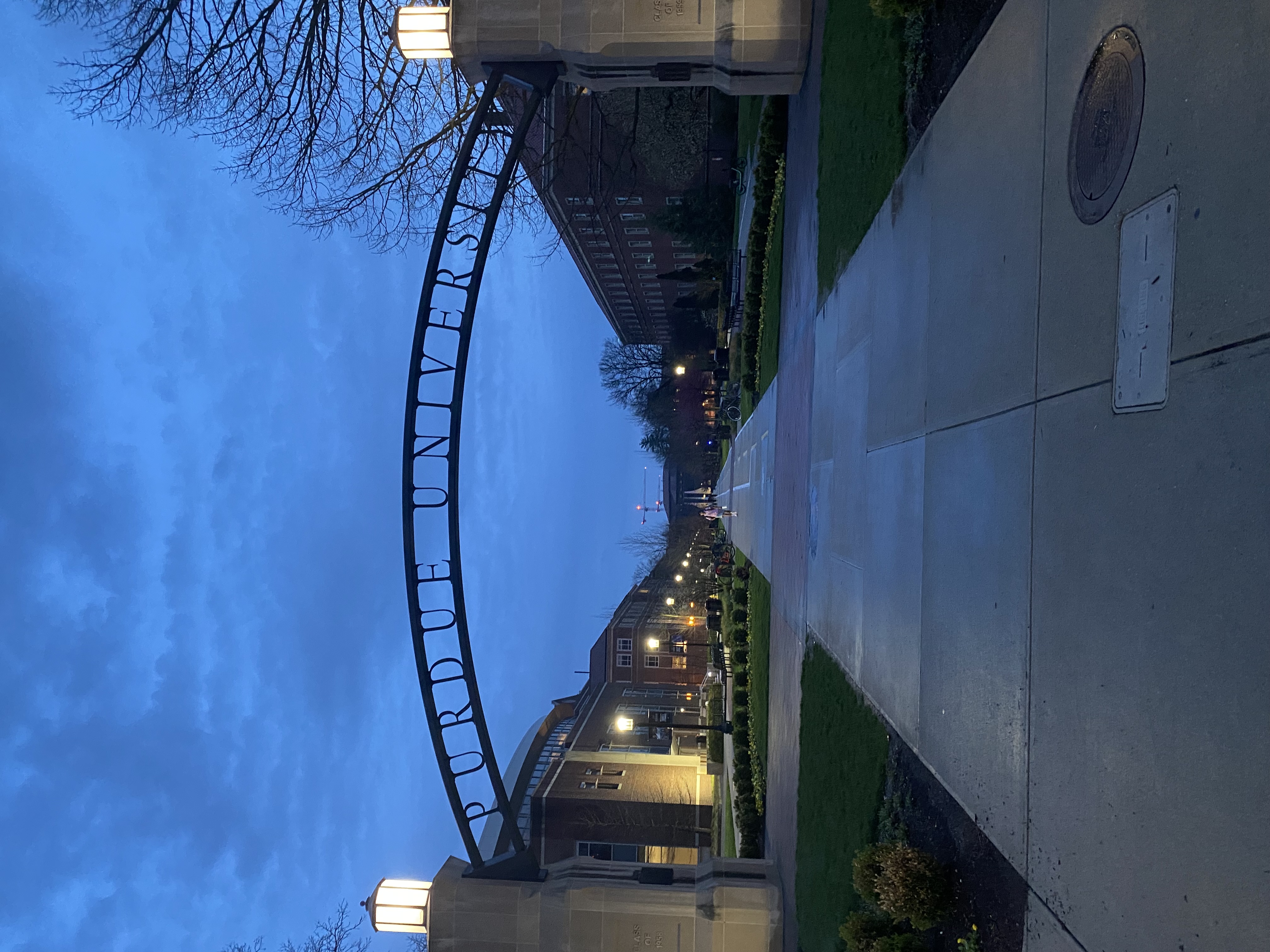
In my case, I went to the embassy for an interview, where I submitted my passport and the required documents. About a week later, I received my passport back with the visa. At the same time, I had to organize accommodation in West Lafayette, which I found through online forums.
I also received administrative help from Nathalie Currid, which was very useful in organizing the necessary steps before the departure.
What was your daily life like?
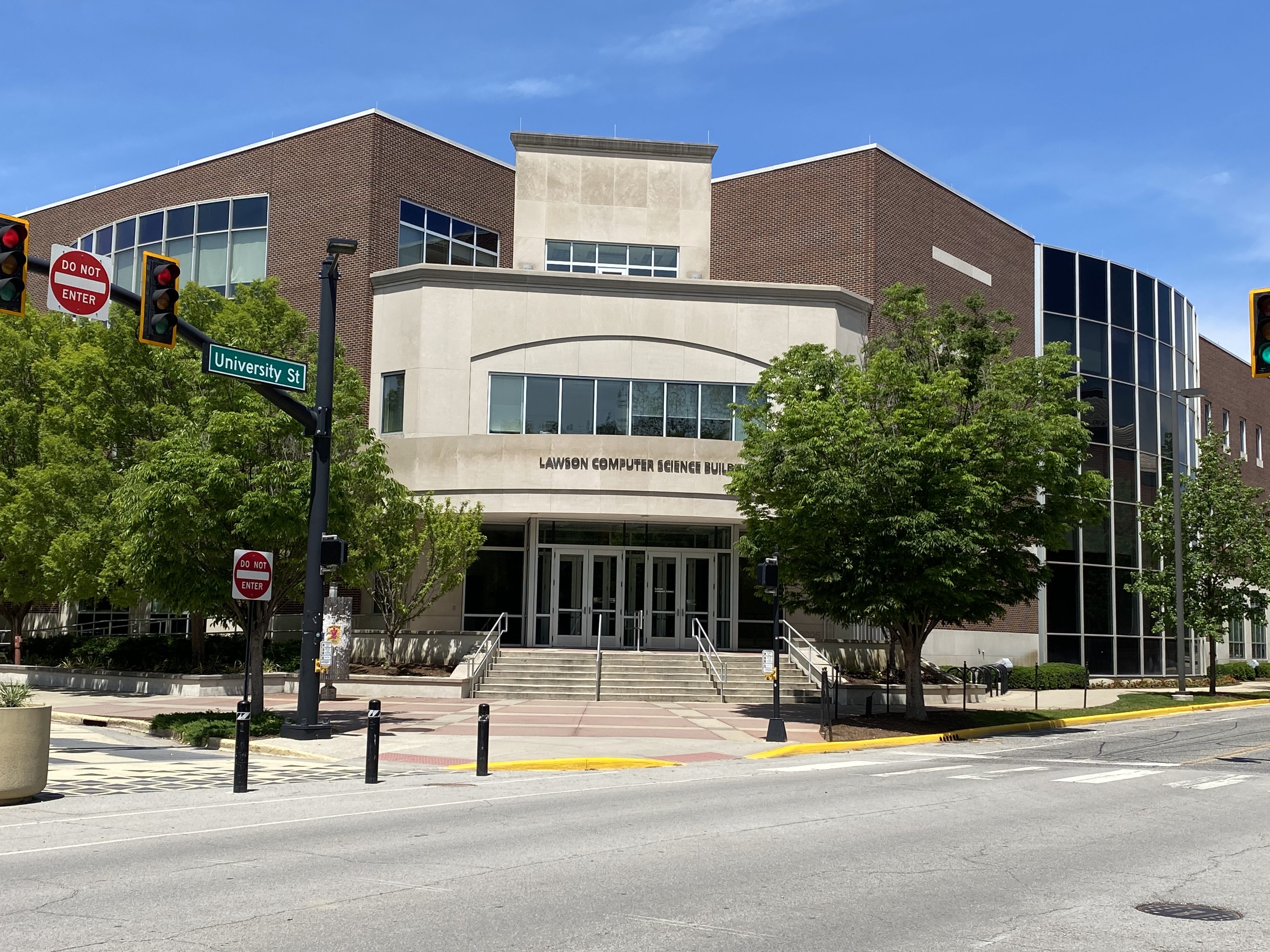
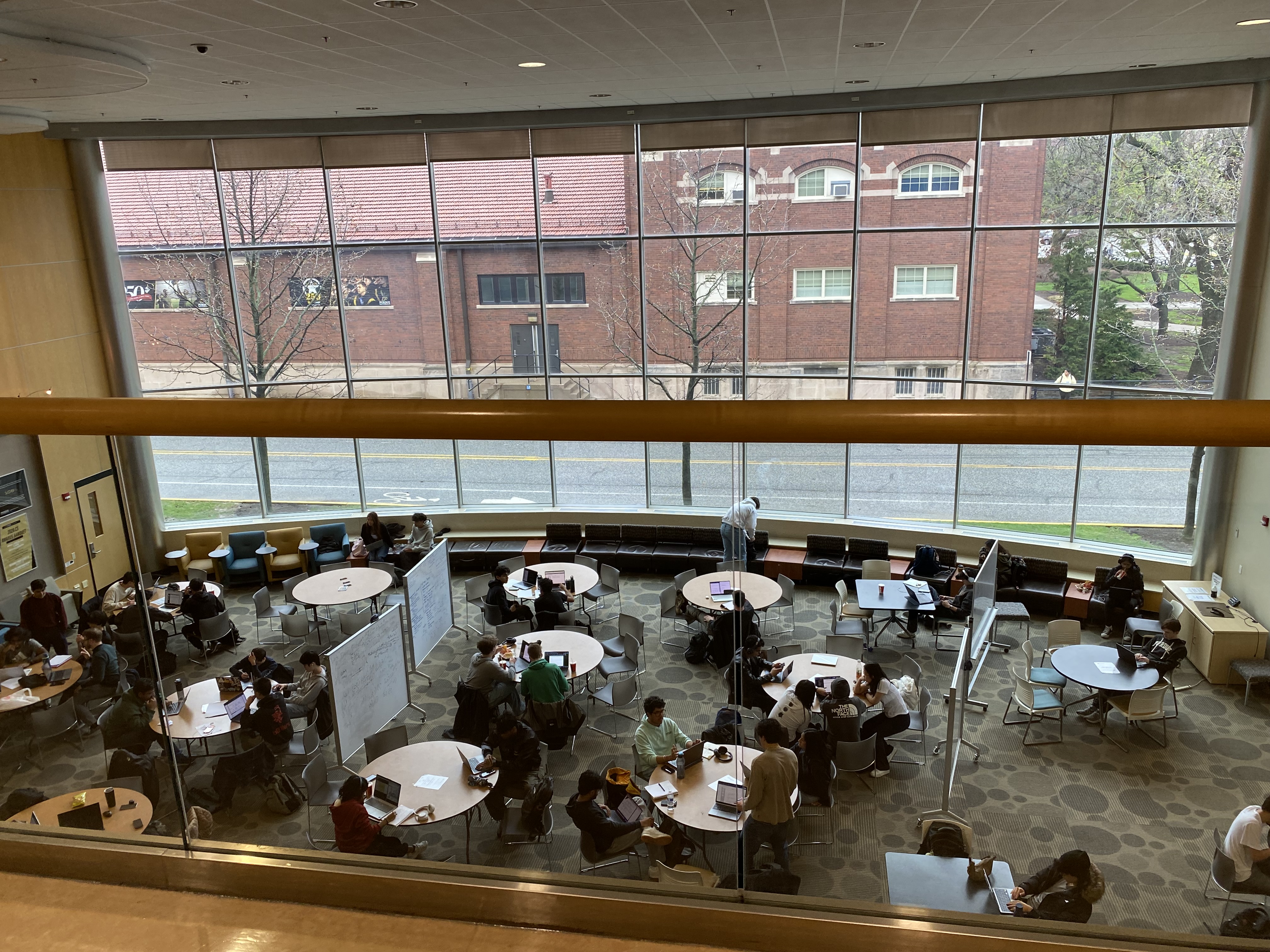
I was based in West Lafayette, Indiana, which is a college town with many students. Most of my time was spent in the office, working on research and discussing ideas with the host team.
The lab had weekly group meetings, as well as regular one-on-one meetings with my host. These discussions were very useful for getting feedback and for understanding how research is done in a different environment. Being there in person also made it easier to have informal conversations with other students in the lab.
What do you take away from this doctoral stay abroad?
This stay allowed me to experience the American way of doing research, which felt quite different from what I was used to in Europe. I found the research culture to be faster in terms of iteration, while also being more laid back in the day-to-day interactions.
On the research side, I learned a lot about tree modelling and how it can connect with my work on terrains. I also made new research connections, which could lead to future collaborations. Overall, the stay was valuable both scientifically and personally.
Do you have any advice for future mobility candidates?
My main advice is to plan the trip well in advance, especially if a visa is required, because the administrative steps can take time. I would also recommend interacting with students in the host lab as much as possible. These exchanges are often very helpful, and you can learn a lot from seeing how others work and approach research.